Wow! I still get a little thrill when a messy transaction finally makes sense. My instinct said this would be dry, but honestly, it isn’t—it’s kind of like forensic accounting for the internet. Initially I thought blockchain explorers were just for nerds, but then I realized they’re essential tools for every Solana user who cares about transparency and safety. On one hand they’re simple lookup tools; on the other, they can expose nuanced risks and opportunities if you know where to look.
Whoa! Reading a SOL transfer can be quick. Most of the time you just scan the sender, the receiver, and the amount. But sometimes a transaction hides multiple inner instructions, token swaps, or program calls that only show up if you dig into the logs and parsed instructions—so you need to look deeper. When I first started, I missed stuff. Actually, wait—let me rephrase that, I missed obvious red flags until I trained myself to follow the breadcrumbs in the explorer logs and the raw instruction data.
Really? Yes. Solana moves fast. Blocks are short and transactions can chain into complex flows. That speed is great. It also means mistakes and exploits can happen in seconds, which makes monitoring your transactions and the programs you interact with very very important. Something felt off about a token I once bought; my gut told me to double-check the mint authority and recent large transfers before I pressed confirm.
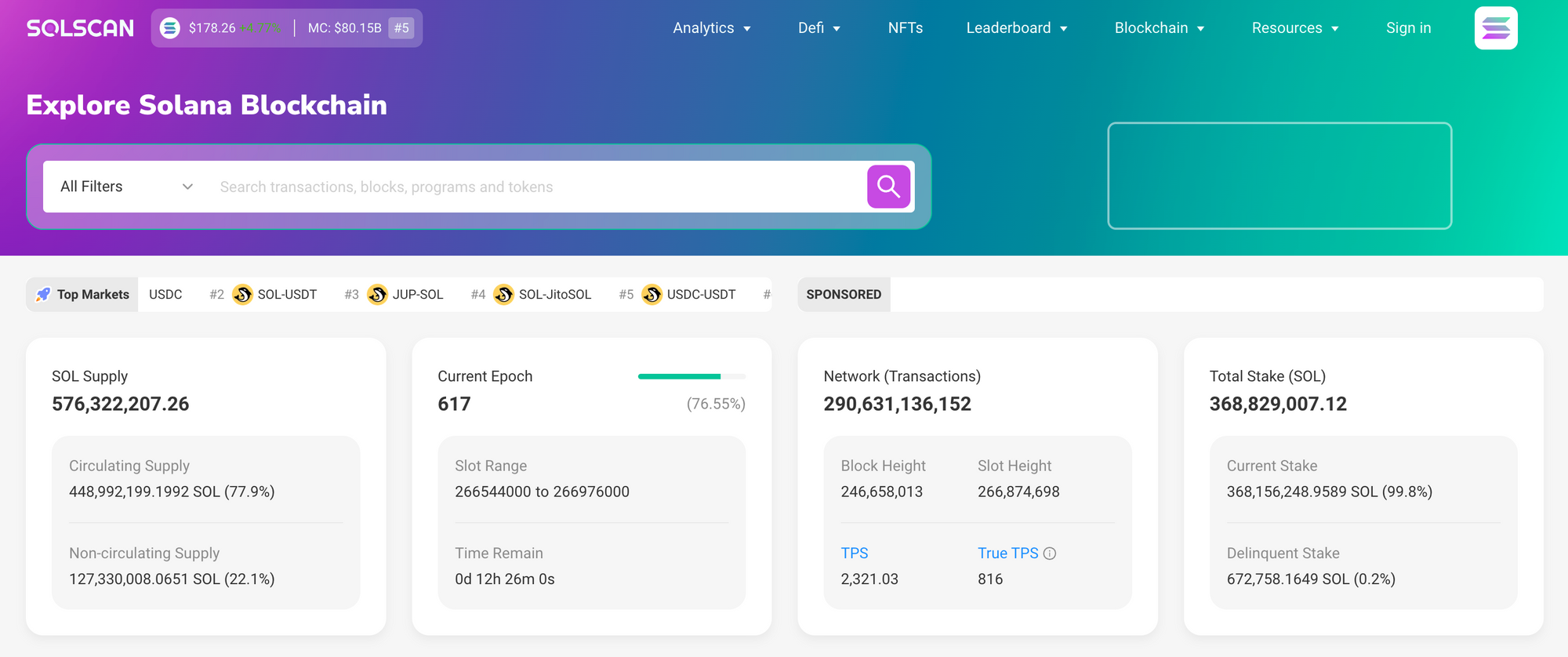
Why use a blockchain explorer like solscan
Hmm… there are a few dozen explorers, but solscan stands out for clarity and speed. It’s fast, and the UI gives you parsed instructions next to raw logs so you can cross-check quickly without hunting through bytes. On one hand, explorers are just interfaces to the same on-chain data; though actually, the way an explorer surfaces program names, token metadata, and liquidity pool IDs makes a real difference when you’re trying to spot anomalies. I’m biased, but when I’m tracking a sudden large move or trying to verify a program ID I trust the layout and analytics that solscan presents.
Here’s the thing. You can paste an address into an explorer and feel reassured, but that reassurance is only as good as your interpretation. For example, a wallet with frequent tiny deposits and a single large outbound transfer could be a relay for a swap, or it could be part of a wash trading scheme. The parsed instruction view will show you the token program calls. The logs will show you the deeper traces and any program errors that occurred during execution. So check both.
Okay, quick tip—watch program IDs. They’re like fingerprints. If a contract you interact with uses an unfamiliar program ID for transfers or approvals, pause. Did I mention approvals? They can be revoked, but it’s messy if you don’t act fast. I once had to revoke a permit for a token via a console; it was a pain. (oh, and by the way… always verify the program ID against multiple sources.)
Initially I thought on-chain analytics were only for whales; then I started using alerts for my small holdings and that changed things. You can set up simple monitoring for token mints, large transfers, or contract interactions and sleep easier. That said, alerts are not a silver bullet—false positives happen and APIs go down, so use them as cues, not gospel. On the other hand, an alert combined with a quick manual check on solscan often saves hours of worry.
Seriously? Yes—wallet hygiene matters. Use a clean wallet for high-risk dApps. Keep a separate hot wallet for day trading and a cold for long-term holdings. This sounds basic, but people mix funds and then wonder why a rug pulled both wallets at once. If you want to be proactive, watch the transaction history of programs before granting approvals; you can often see past malicious behavior patterns if you know what you’re looking for.
Longer thought: understanding token mints and metadata is crucial, because many scams use token names that mimic legit projects while the mint authority remains centralized or unknown, which allows easy rugging by a single actor; checking the token’s mint address, supply changes, and recent transfer activity tells you a lot more than just the human-readable name does.
Here’s my favorite trick. When you see a suspicious token, search for the mint on the explorer and then check the top holders list and recent distribution. If the top few wallets control most of the supply, or if a cluster of wallets suddenly accumulates tokens right before price action, there’s your smoking gun. Also, check the token’s creation transaction—who signed it and what program created it. Some creators leave breadcrumbs like multisig setups, and others leave nothing but a throwaway key.
On one hand analytics dashboards can be noisy; on the other, filters help. Use date ranges, token filters, and instruction types to reduce clutter. I learned to read raw program logs because parsed views sometimes gloss over errors that indicate front-running or failed swaps that still drained user assets. Actually, when a swap fails and fees are still consumed, the logs will show the error, and if you missed that you could misjudge slippage or gas usage.
My weakness? I get impatient with slow UIs. So I keep a set of quick manual checks in my head and run them fast. First: verify the program IDs involved. Second: verify token mints. Third: scan recent large transfers and the top holders. Fourth: check logs for errors or unusual cross-program invocations. These four steps don’t take long once you practice them.
FAQ
How do I verify a program ID is legitimate?
Compare it across multiple trusted sources and community references; check the program’s verified GitHub or audit links if available, and watch its transaction history in the explorer—patterns tell stories. If you see frequent interactions with bridging contracts or unfamiliar swaps, dig deeper before trusting it.
Where should I start if I want to learn to read logs?
Start by looking at simple transfer and swap transactions on the explorer, then expand into instructions with multiple inner calls. Follow a few token mints from creation to current distribution. Practice makes a difference, and using a tool like solscan helps because it surfaces both parsed instruction text and raw logs side-by-side, which is a huge learning aid.